Dutchess County Earth Day Event
Reply

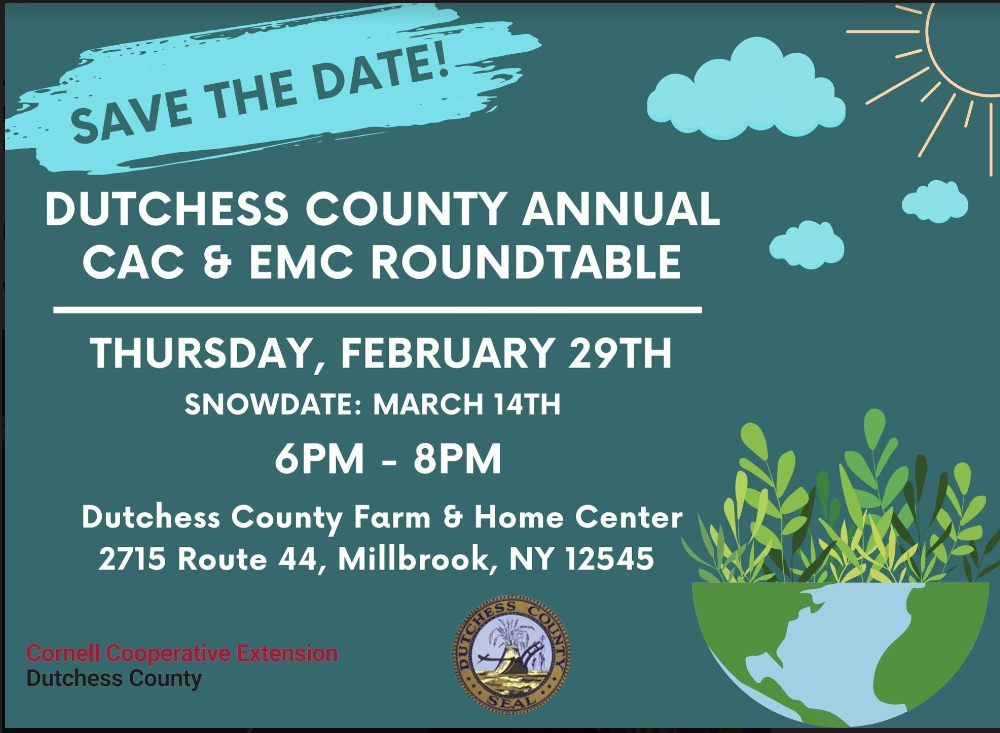
The Dutchess County EMC is partnering with HVEA Engineers and Peach Hill Park to run the pilot program of the Young Engineers Empowerment Program, where high school students learn valuable STEM skills while they design and build a new rain garden for stormwater management at Peach Hill Park.
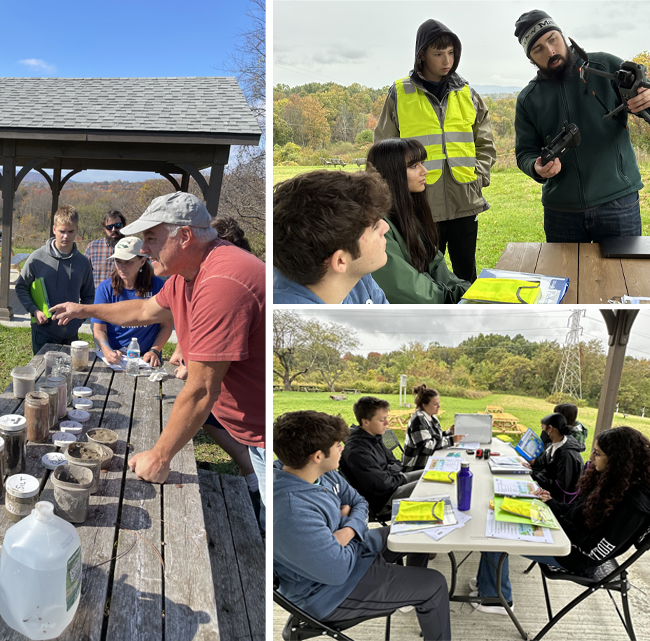
Day 1 – Students learned how to fly drones, create topographic maps & to delineate watersheds.
Day 2 – Students created watershed models & learned how water flows.
Day 3 – Students learned about soil types and other geotechnical concepts from HVEA’s geotechnical engineer in preparation for exploratory subsurface investigations for their rain garden design. Students performed percolation tests and determined what kind of underlying soils were present and what infiltration rates to expect to detail their design further.
Day 4 – Students learned about landscape architecture from a Licensed Landscape Architect and choosing native plantings with optimal pollutant removal benefits for the rain garden design.
Day 5 – Students learned about protecting various resources during construction & finalized their rain garden designs. Students developed an “engineer’s estimate” of materials they will need for construction in the Spring.
There will be 5 more sessions in the spring. In April, the students will work on the construction of the rain garden and learn valuable skills through our construction management program.
HVEA Engineers: https://hveapc.com/
Peach Hill Park: https://peachhillpark.org/

What is salt brine? Salt brine is a solution of salt (sodium chloride, or NaCl) and water. It has a much lower freezing point than freshwater, and is a useful tool in reducing the adhesion of snow and ice to road surfaces. While some brine cocktails are exclusively saltwater, some include calcium chloride or magnesium chloride. See link for more detail.

For detail information on each of the Tips follow the link to Beyond Plastics
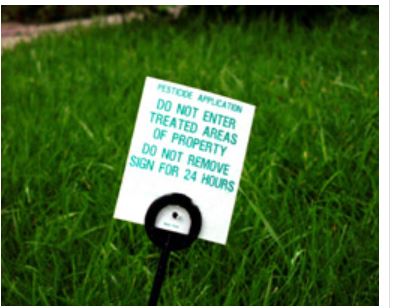
We put ourselves, our families, and our pets at risk when we use herbicides, pesticides, highly corrosive products like drain cleaners, and toxins like ammonia and bleach. Sewage treatment plants don’t eliminate these chemicals, and many find their way into our air, water and ecosystems.
Fortunately, there are safer alternatives that work just as well. By choosing a non-toxic option or the least toxic product, you can protect yourself and the environment. Click on the following link for more information, DEC
Submitted by Candice Merrill
The trail is to be built on the old Railroad ROW that was used to transfer trains from the Hudson Line to the former Maybrook Line (WRSDRT, Walkway over the Hudson and now Empire State Trail). It will start by the Sewage Treatment plant, just south of Marist, run up into the Former Hudson River Psychiatric Center and then back south past the Hospital to connect up with the DRT and Walkway. The survey is looking for input on how people will use the trail as a basis for its design. Please check it out and provide input.
Brad Barclay, Senior Planner
DC Department of Planning and Development

Recently, my family gave me a wonderful birthday gift of a zero waste meal. At least it was zero waste for us. There was certainly some waste from the processing of the food before it got to us. But, we deposited nothing into the trash from the meal, which was a great feeling.
There was a time when I thought the world would be saved because we could send plastic, metal, glass and paper off to be recycled. It felt good to take these items to a recycling center as opposed to the landfill. But it turns out that there is an enormous cost to recycling. Let’s consider plastic. So much of our products come packaged in plastic, which varies greatly in its chemical makeup. For that reason, recycling it is complicated. It must be sorted, packed into big cubes and shipped to a country that wants it. It then must be melted, a process that produces noxious fumes, and formed into pellets for resale to manufacturers. Oil companies, which produce the chemicals for making plastic, make it difficult to recycle plastic. They don’t make money if we recycle plastic, they make money selling us the raw material to make new plastic. So only a small proportion of the plastic produced can be recycled. And it can only be recycled once. Sadly, plastic production has skyrocketed and ends up in our oceans, rivers, streams and even our drinking water. It never breaks down entirely, it just gets smaller. But is it possible to live without plastic? The answer brings me back to the topic of this blog post. Continue reading
Each year, nearly 40 million tons of food is discarded by Americans. Equating to more than $161 billion, food waste accounts for approximately 30-40% of the U.S. food supply.
While cutting down on food waste reduces methane emissions from landfills and conserves energy – preventing pollution involved in the growing, manufacturing, transporting, and selling food – it can also save you money by buying less food.
Here are a few ways to reduce wasted food, according to the U.S. Environmental Protection Agency: Click Here
 Dutchess County Environmental Management Council